Why Does the Same Family Feel Different to Each Child?
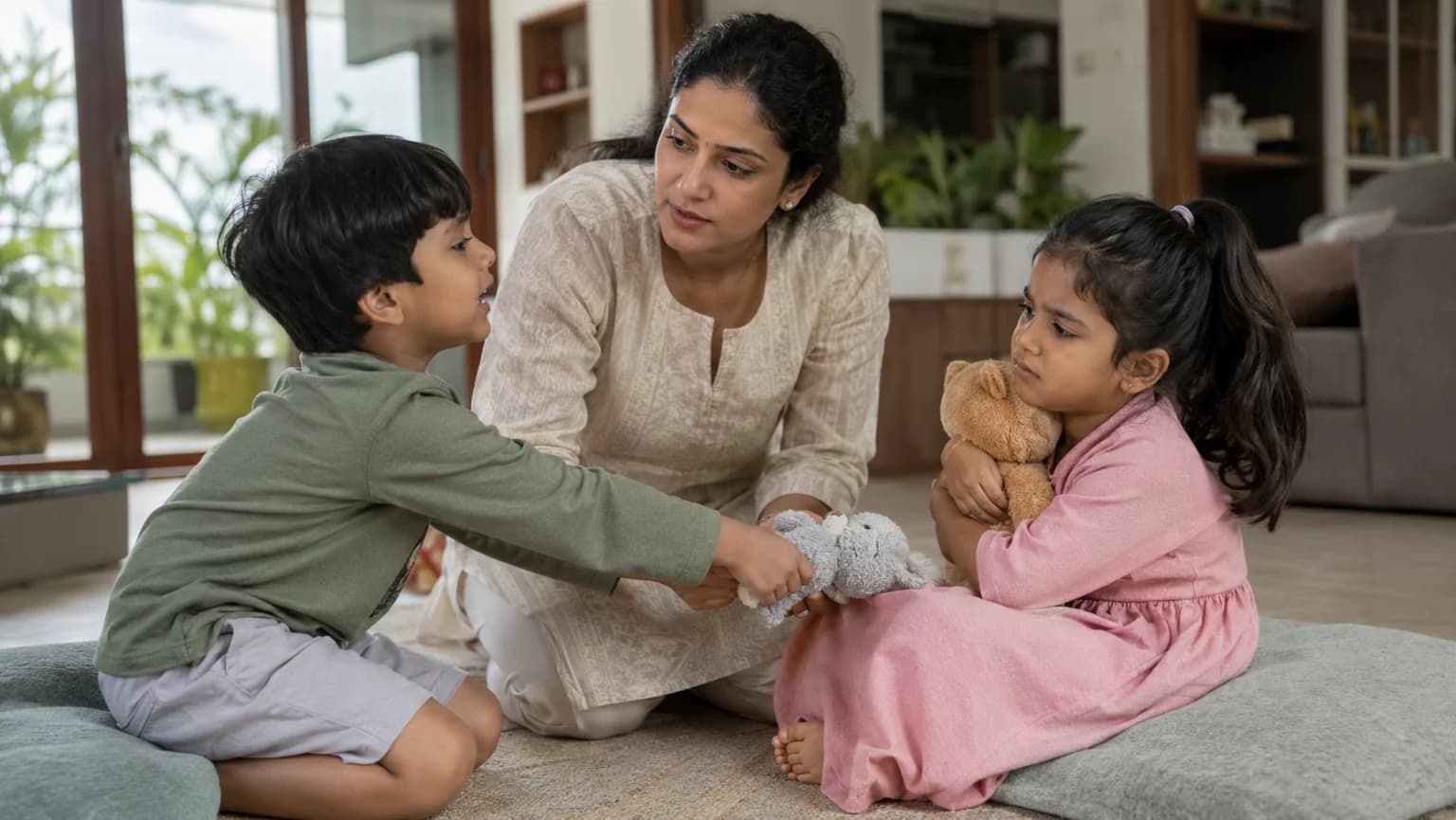
Two children are laughing together one moment. A few minutes later, they are arguing over a seat, a toy, whose turn it was, or something so small that the intensity of the reaction seems impossible to understand.
One raises their voice. The other cries, withdraws, or runs to a parent. We step in, explain fairness, ask one to apologise and perhaps remind the older child to be more understanding. Peace returns—for a while.
Then the same pattern appears again.
It is easy to think the conflict is about the object in front of them. Often, it is also about something less visible: who is heard first, who is expected to adjust, who receives comfort, and who feels they must fight for their place.
Siblings may share the same parents, home, and routines, but they do not experience them from the same position. They arrive at different moments in the family’s life and bring different temperaments into it. The same firm instruction may steady one child and make another feel rejected. Extra reassurance may calm one sibling while appearing like favouritism to the other.
- What is each child asking for beneath the behaviour?
- What does the other child hear when that need is expressed?
- What keeps getting activated when these two children come together?
A Vedic birth chart can help parents understand each child on their own terms: how they process emotion, seek closeness, protect their independence, respond to frustration, and recover after conflict.
One child may react quickly and need movement or space before talking. Another may absorb every change in tone and need reassurance before solving the problem. A child who appears calm and responsible may carry hurt quietly for much longer than anyone realises.
None is simply difficult, aggressive, dramatic, or overly sensitive. Each is meeting the same family through a different inner pattern.
But sibling rivalry does not belong to either child alone. It develops in the space between them.
A direct child may overwhelm a sibling who experiences words and tone more deeply. One who seeks closeness may repeatedly interrupt another who needs more independence. A child who competes openly may be trying to secure attention, while the sibling who appears unaffected may have learned to withdraw rather than compete.
The same child may be patient with one sibling and constantly activated by another. Understanding each child separately is therefore only the beginning.
Reading the two charts together can help reveal what their patterns awaken in one another—where affection flows naturally, where friction returns, and why the same disagreement carries such emotional weight.
The question then changes from:
Which child started it?
To:
What happened between them?
This does not remove the need for boundaries. Children still need to learn that anger does not justify hurting or shouting. But the response can become more precise.
One child may need help slowing down before reacting. Another may need words for a hurt they usually express through tears. Parents may need to stop asking the same child to “be mature” simply because that child usually gives in.
Fairness is not sameness
- Who is always expected to adjust?
- Who is comforted first?
- Who has become “the difficult one”?
These questions can reveal roles that have quietly become fixed. The responsible child may receive trust but less comfort. The sensitive child may receive attention but feel underestimated. The independent child may be given freedom while quietly wondering whether anyone notices when they need help.
This is where relational Vedic intelligence becomes useful. Within a Family Circle, each child is understood first as an individual and then in relationship with the sibling beside them.
The purpose is not to predict which children will get along or reduce them to planetary labels. It is to help parents recognise the recurring dynamic: what each child brings, what the other awakens, and how the family can respond with greater awareness.
Sibling harmony does not mean a home without rivalry or disagreement. It means children gradually learn that difference does not threaten belonging, that conflict can be repaired, and that there is room in the family for each of them to be fully themselves.
Perhaps siblings do not always need us to decide who was right.
Sometimes they need us to understand what happened between them—and to remind both children that their place in the family is secure.
Curious how your family reads as one circle?
Create your Family CircleSign in with Google. No credit card required.